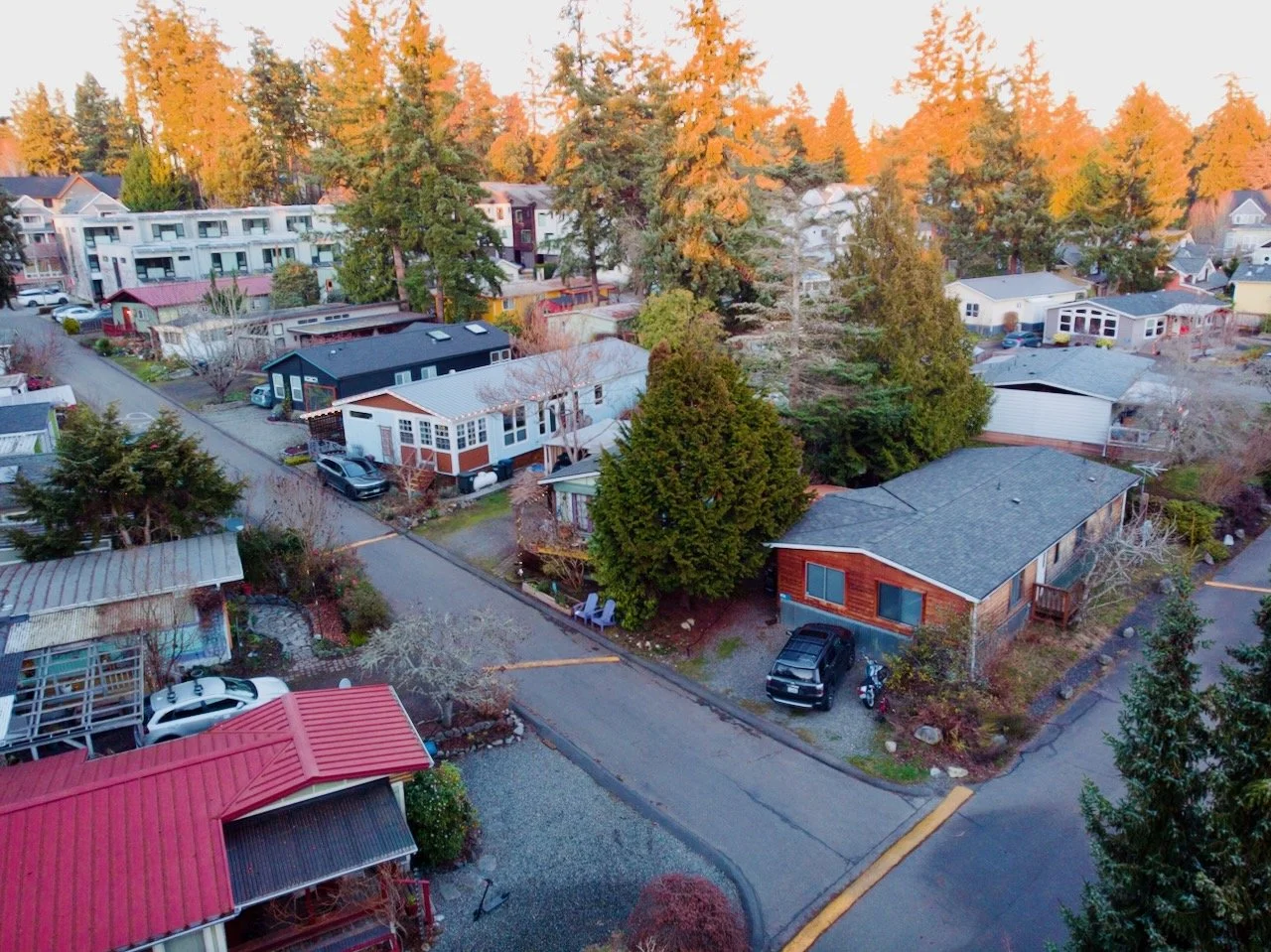
One of the last vestiges of original affordable housing on Bainbridge Island, this little neighborhood known as the Islander Mobile Home Park, is a resident-owned cooperative of 50 mobile homes.
The “Trailer Park” is a group of longtime locals, fixed-income seniors, and working families who have built a colorful, quirky community that feels more like a small village. Many of us have lived here for years. However, a home isn’t a home without reliable water, and that’s why we need your help.
What’s Wrong With The Park?
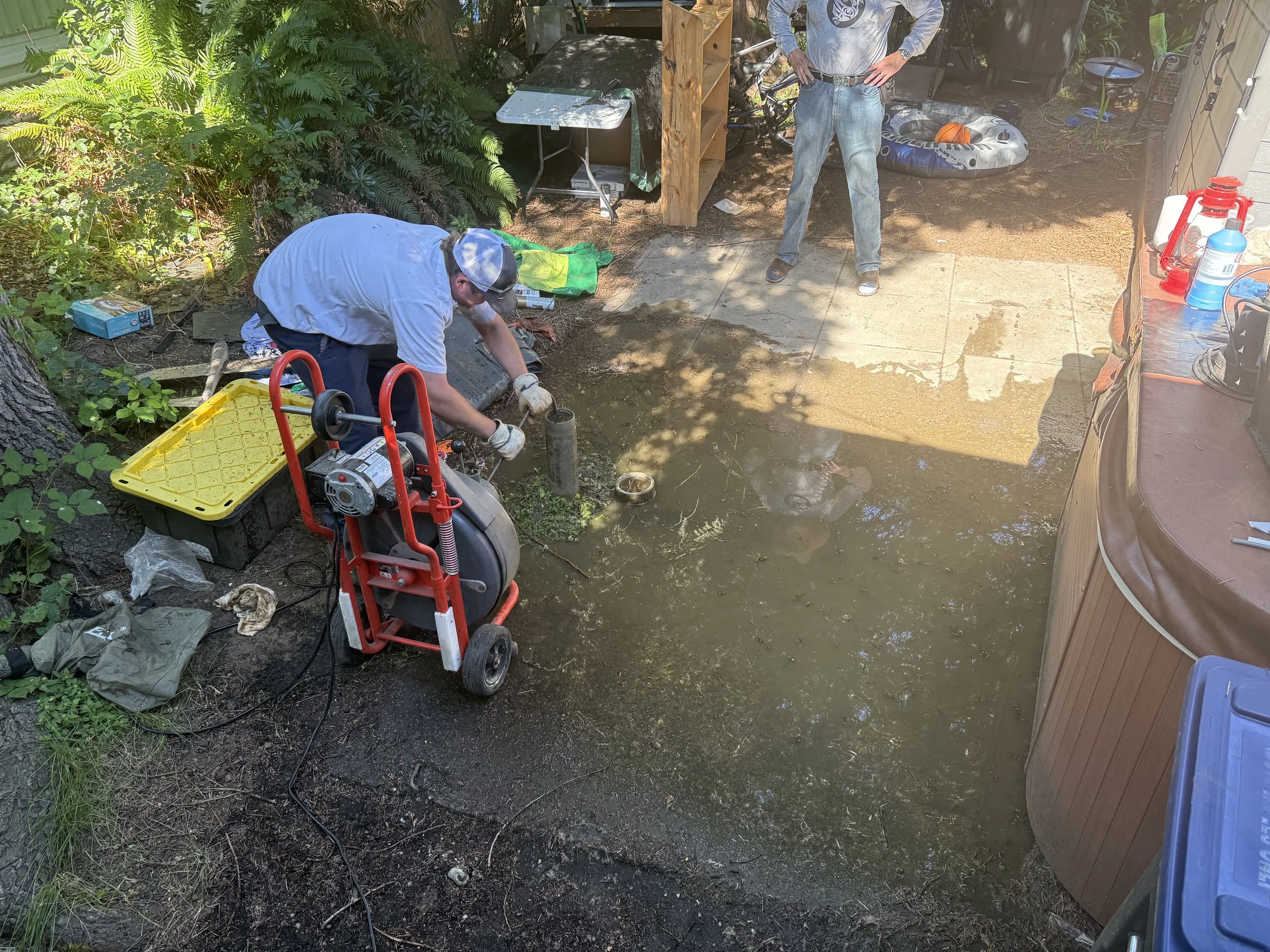
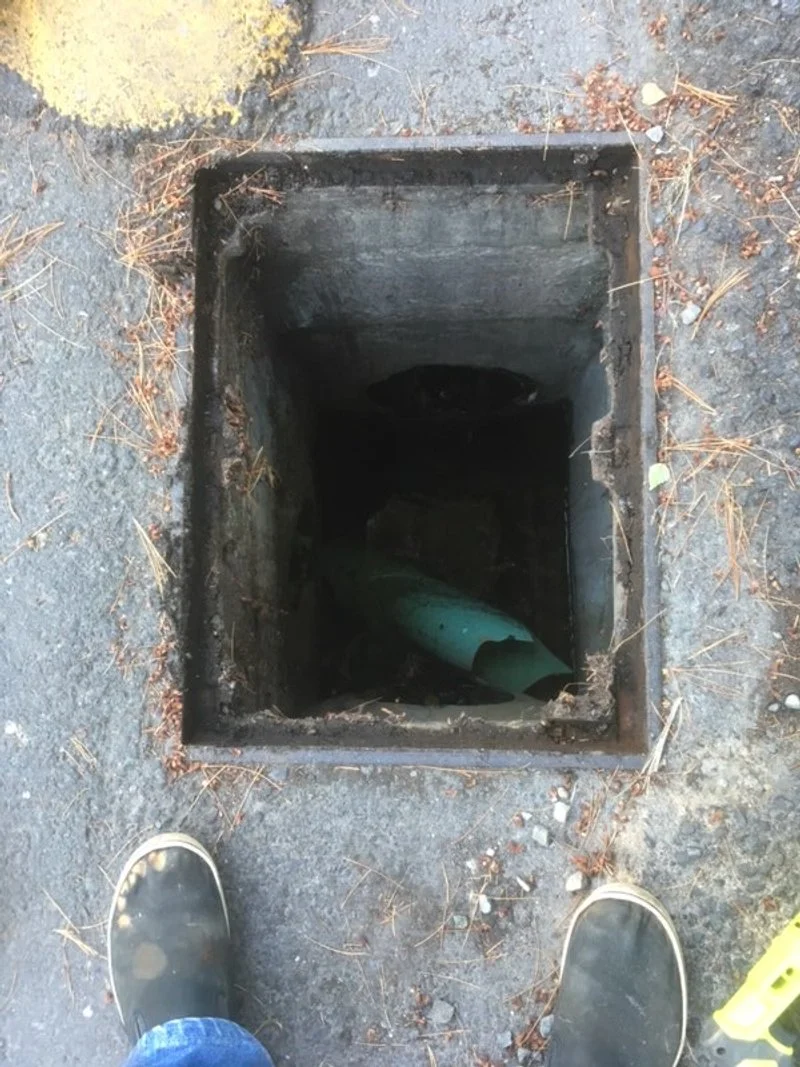
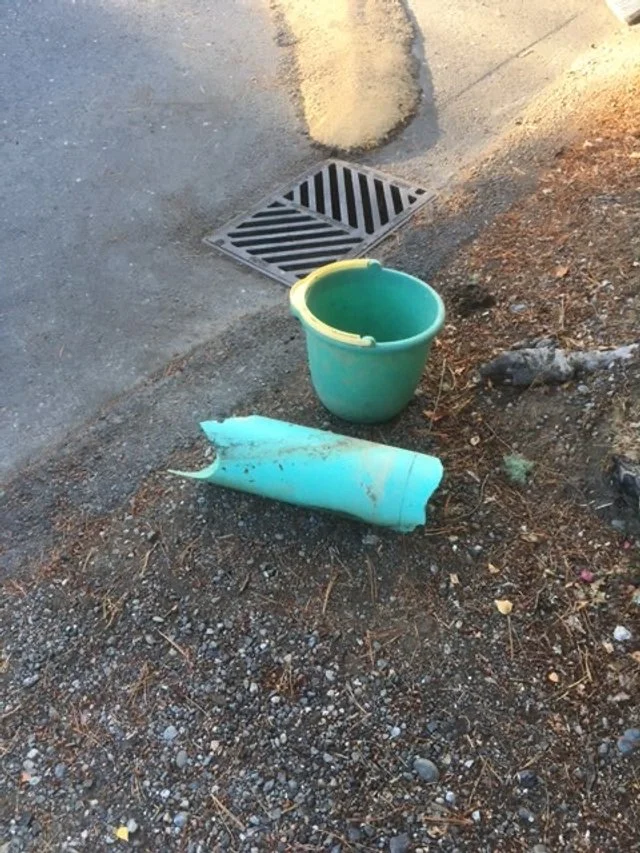
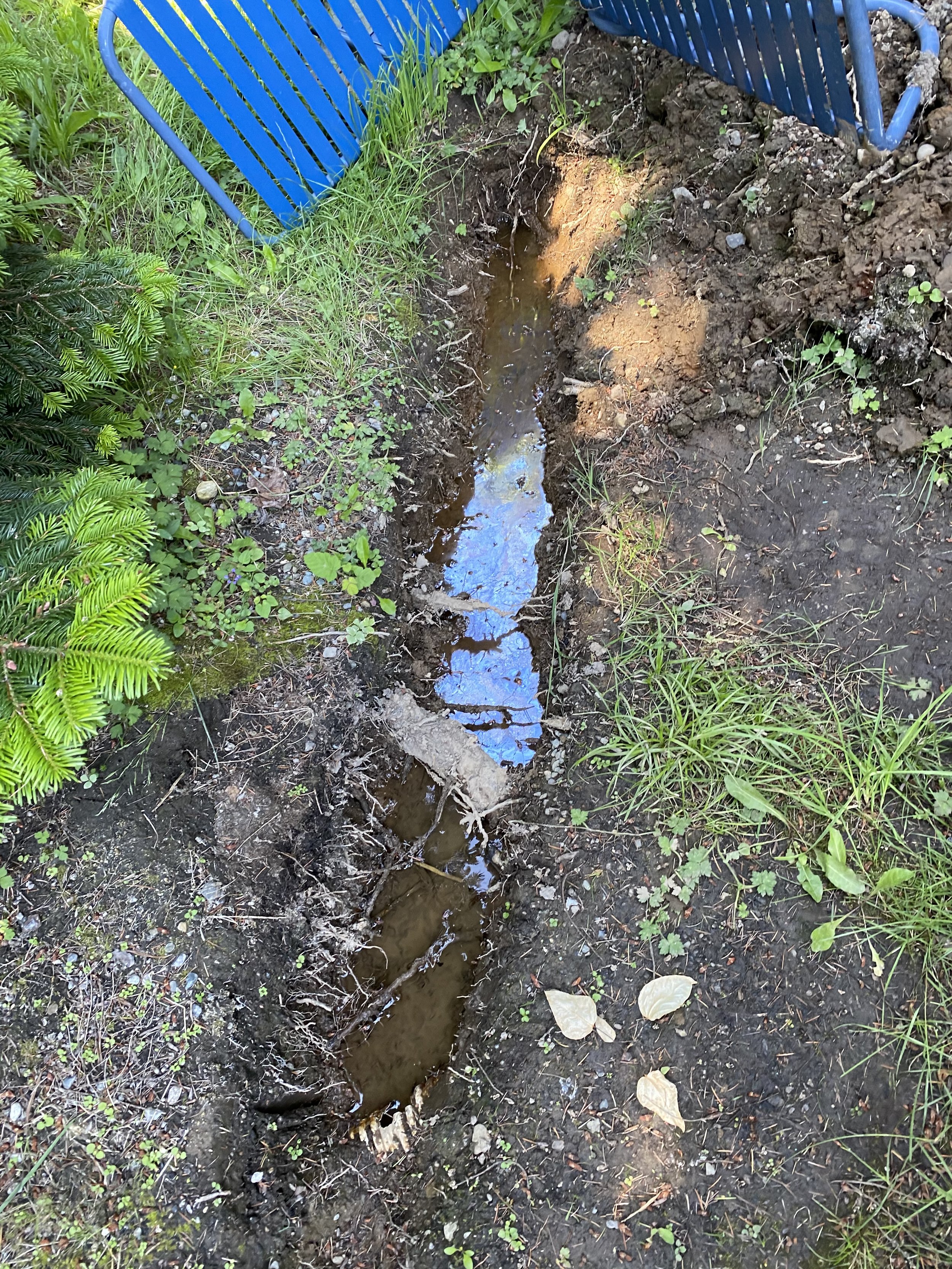
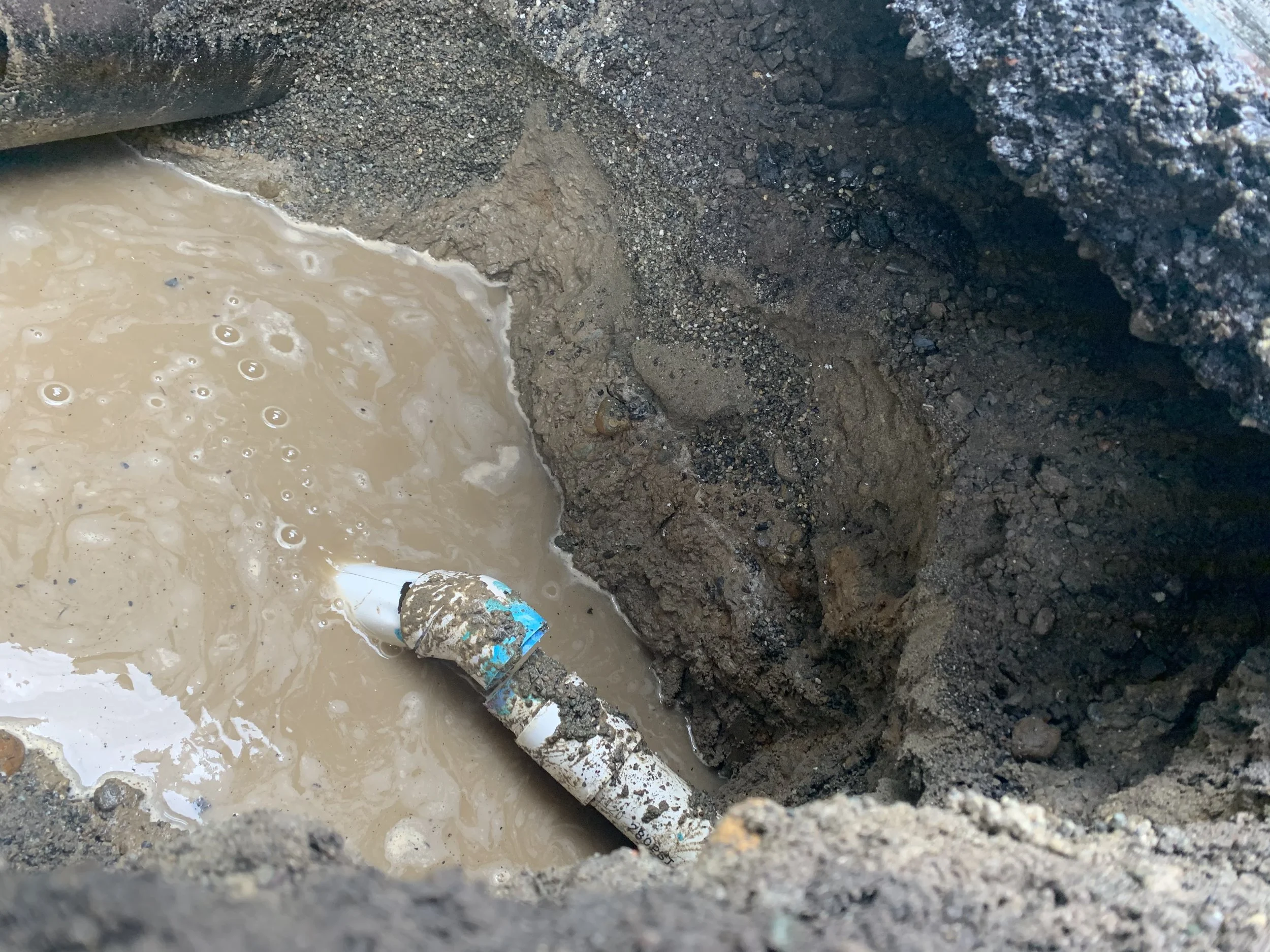
After years of expensive repairs to our water, sewage, and stormwater infrastructure, engineers have recently confirmed that the system is failing and replacement is now our only option. If these systems fail, it becomes a health and safety issue for the entire park.
What We’re Doing
We’re undertaking a comprehensive infrastructure replacement project to fully rehabilitate our water, sewer, and stormwater systems. This includes the excavation, materials, and contractor work needed to install a durable, code-compliant system built to last. It’s essential work to protect health, prevent environmental harm, and preserve stable housing for 50 households.
The total project cost is approximately $2,000,000. We’ve already committed almost all of our reserve funds toward the work, but we can’t cover the full cost. So we’re working to raise $1,000,000 by any means necessary including grants, loans, and support from our Bainbridge Island community.
If we can’t close the funding gap, the cost shifts directly onto residents through major assessments of up to $20k per household or long-term debt. For many households, especially seniors on fixed incomes, that could be devastating, and it risks pushing people out of a community they’ve called home for years.
Project cost - $2 Million
Park reserve funds being spent - $1 Million
100% of available reserves
Grants received - $27,000
Individual donations received - $300,000
Angel Investor fund commitments - $250k
Funds needed - $181,000
Current cost per household - $12,700
(updated as of July 13, 2026)
How You Can Help
Housing Resources Bainbridge (HRB) is our fiscal sponsor and a 501c3 organization. This allows us to apply for grants and other forms of funding, and allows individual gifts from donors to be tax deductible to the extent allowed by law. This is not an HRB sponsored project.
Donations can be made online via our Donate button, or if you’d like to receive a tax receipt, checks and other forms of monetary donations may be mailed to:
Housing Resources Bainbridge
RE: Islander Mobile Home Park
PO Box 11391
Bainbridge Island, WA 98110
Be sure to note on your donation that your gift should be directed to the Islander Mobile Home Park project.
Learn More & Share Our Story
If you’d like to learn more, we’ll be sharing regular updates here as the project moves forward and what still needs to happen. If you’re in a position to help, your support (and even your sharing this story with your friends and neighbors) makes a real difference in keeping the Park safe, stable, and affordable. For questions, outreach ideas, or to get involved, email savethetrailerpark@gmail.com.
Listen to more of the story on the B.I. Stander Podcast hosted by Tim Self.
Get the Park-Exclusive Bay Hay & Feed Flamingo Hoodie
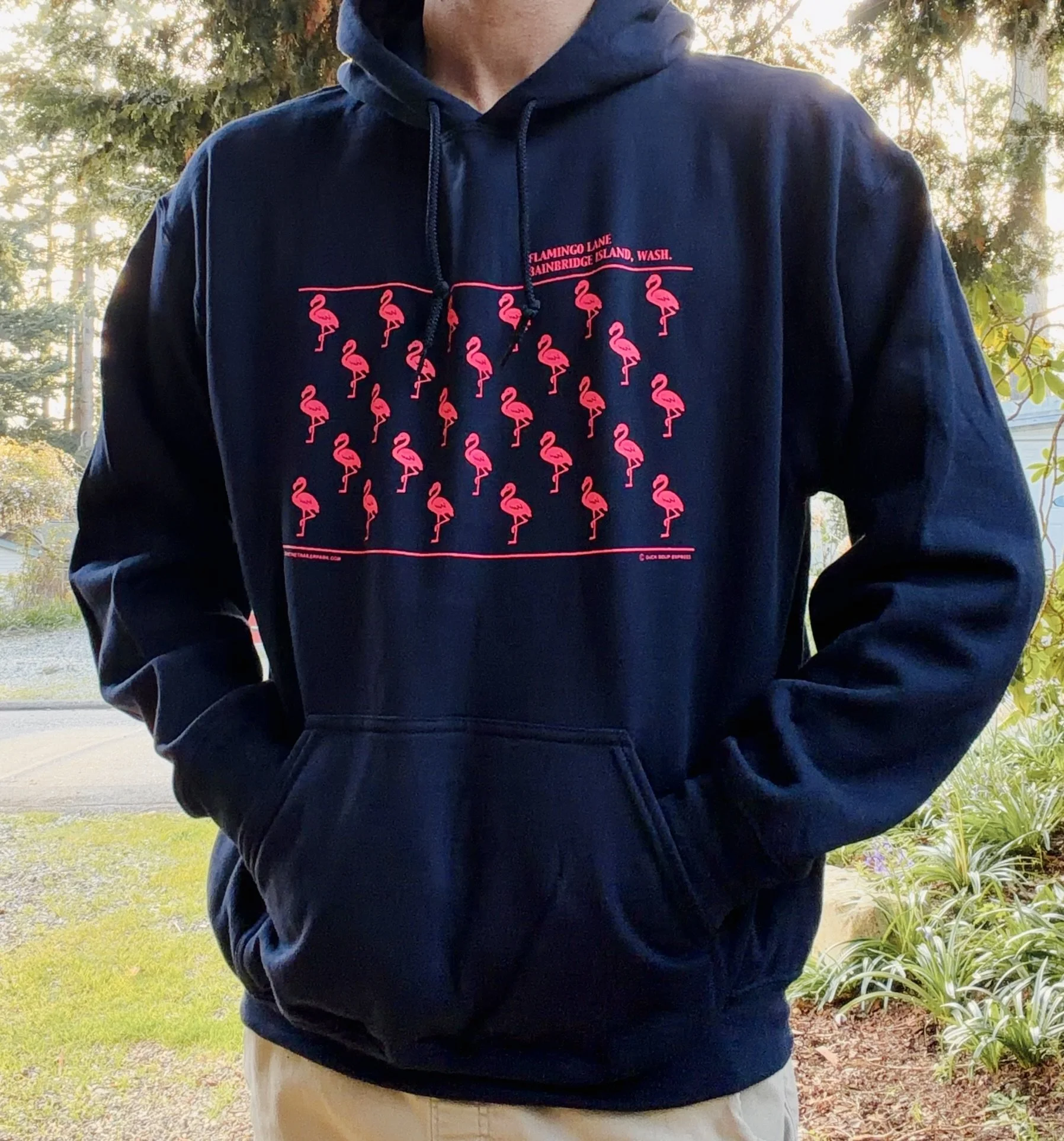
These limited edition Flamingo Hoodies from our wonderful friends at Bay Hay & Feed are one piece of the fundraising puzzle raising awareness about our campaign and critical funds for the project.
Thank you for your support and for joining our flock. 🦩
We are working to ensure delivery or pickup of existing hoodies. Next order date is TBD and we appreciate your patience!
Hoodies are printed in bulk approximately every six weeks and will be delivered locally by one of our fundraising team as soon as they arrive. You will receive an email to confirm your delivery address and desired sizes within a few days of placing your order.
FAQs
-
Yes. We’ve explored loan options, including specialized housing-related financing. The terms we were offered did not provide enough funding to meet the project need and required significantly raising monthly dues, and the loan structure included high transaction costs that made it inefficient at the scale available to us.
We are continuing to evaluate financing options, but we are prioritizing donations because they reduce long-term costs and protect affordability for residents.
-
Yes. We’re pursuing grant opportunities aggressively, including local and county programs. Most grants are still pending, and we received clear feedback that we did not qualify for certain larger public funding sources due to program requirements tied to household income thresholds as a few households were above the required low-income status.
While that was disappointing, it helped us adjust our strategy. We will keep pursuing grants where we qualify while also building a broader fundraising plan.
-
Our goal is to raise the majority of the remaining funds by July or August, so we can stay on schedule as the project moves through final planning, bidding, and construction.
Construction timelines can shift depending on permitting, contractor availability, and bidding results, but the financial reality is the same: we need to close the funding gap as soon as possible to avoid delays and to keep the cost burden from shifting onto residents.
-
If we can’t close the funding gap through outside support, the cost shifts onto residents through major assessments and/or long-term debt including liens on homes from lenders.
For many households—especially seniors on fixed incomes—that could be financially devastating, and it risks pushing people out of the community.
Our goal is to prevent that outcome by raising funds that reduce the burden on residents and preserve one of Bainbridge Island’s last pockets of affordable housing.
-
Islander Mobile Home Park is resident-owned, which means the community is governed by the people who live here and not by an outside landlord.
Residents collectively manage the park and make decisions about budgets, maintenance, and long-term planning. That structure helps preserve affordability and stability, but it also means large infrastructure costs can’t simply be absorbed by a private owner.
When big needs arise, we have to solve them together carefully and transparently.
-
Donations raised through this campaign will be used specifically to support the infrastructure replacement project, construction costs, and related project expenses.
We are committed to transparency and will provide regular updates on funds raised, milestones achieved, and how the project is progressing.
This is a defined, time-bound project with clear deliverables, and we want donors to feel confident their support is going directly toward preserving safe, stable housing.
-
Yes, donations are tax-deductible to the extent allowed by law because we are fundraising through Housing Resources Bainbridge (HRB), a local 501(c)(3) serving as our fiscal sponsor.
HRB accepts donations on behalf of the project and provides the tax receipt, and the funds are then directed to support the project as intended.
Fiscal sponsorship is a common way for community projects to raise charitable funds responsibly without being a standalone nonprofit.